


The Power of Forgiveness: Embracing God’s Grace for Healing and Freedom

Updated: Aug 31
Forgiveness is one of the hardest things God asks of us.
It is easy to talk about forgiveness in theory. It is much harder when the wounds are real, the betrayal runs deep, or the person who hurt us never apologized.
Sometimes the hardest person to forgive isn't someone else.
Sometimes it's ourselves.
We replay old mistakes. We carry shame for choices we wish we could undo. We wonder if God truly forgives us, and if He does, why do we struggle to forgive ourselves? But here is the beautiful truth of the Gospel:
Forgiveness is not denying the pain. It is refusing to allow the pain to have the final word. Forgiveness is not excusing what happened. It is not pretending it didn't hurt. And it does not always mean reconciliation.
Forgiveness is choosing freedom.
"Be kind and compassionate to one another, forgiving each other, just as in Christ God forgave you." (Ephesians 4:32) God never asks us to give what He has not first given us.
Because we have been forgiven, we can forgive.
Because we have received grace, we can extend grace.
And because God has healed our hearts, we can begin the journey of releasing bitterness
and embracing freedom.
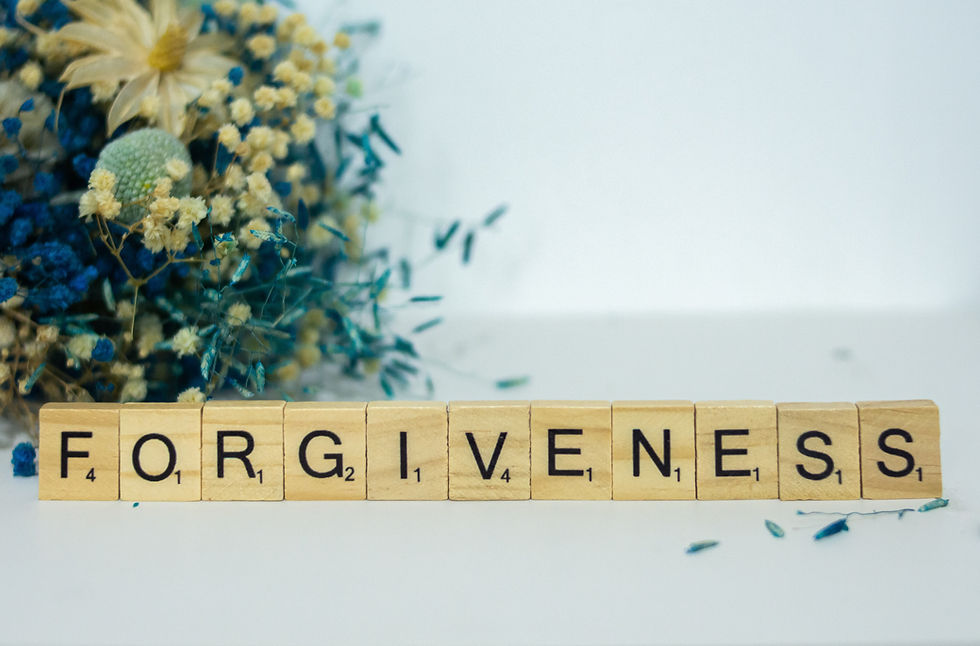
Forgiveness Is a Journey, Not a Moment
Forgiveness is often portrayed as a single decision.
But for many of us, forgiveness is a process.
Some days we feel peace. Other days, old memories resurface.
That doesn't mean you failed.
It means healing is happening.
The truth is, unforgiveness often keeps us connected to the pain longer than the offense itself.
Bitterness steals joy. Resentment robs peace. And shame keeps us trapped in yesterday.
But forgiveness breaks those chains.
"Bear with each other and forgive one another... Forgive as the Lord forgave you." (Colossians 3:13) Notice the scripture doesn't say forgiveness is easy.
It says forgiveness is possible because of God's grace.
Biblical Examples of Forgiveness
Joseph: Forgiving Betrayal
Joseph was betrayed by his own brothers, sold into slavery, and separated from his family for years.
Yet when he finally had the power to seek revenge, he chose forgiveness.
"You intended to harm me, but God intended it for good." (Genesis 50:20)
Joseph understood something profound:
What others meant for evil, God could still redeem.
The Woman Caught in Adultery: Forgiving Yourself
When others wanted to condemn her, Jesus offered grace.
"Neither do I condemn you. Go now and leave your life of sin." (John 8:11)
Jesus did not define her by her worst mistake.
And He doesn't define you by yours either.
The Prodigal Son: Receiving Forgiveness
The son expected rejection after his failures.
Instead, he was met with love, mercy, and restoration.
"For this son of mine was dead and is alive again; he was lost and is found." (Luke 15:24)
This is the heart of God.
Not condemnation.
But restoration.

Everyday Obstacles to Forgiveness
Fear that forgiving means excusing the hurt
Believing the offender doesn't deserve forgiveness
Shame and difficulty forgiving yourself
Fear of being hurt again
Holding onto anger as protection
Believing healing is impossible
Faith-Based Solutions
Pray Honestly
Tell God exactly how you feel.
"The Lord is close to the brokenhearted." (Psalm 34:18)
Remember the Grace You've Received
You are not asked to forgive perfectly.
You are asked to forgive through God's strength.
"My grace is sufficient for you." (2 Corinthians 12:9)
Release the Burden to God
Forgiveness is not saying the offense didn't matter.
It is trusting God with justice and choosing peace.
"Do not take revenge... but leave room for God's wrath." (Romans 12:19)
Accept God's Forgiveness for Yourself
Stop carrying the guilt that Jesus already carried for you.
"If we confess our sins, He is faithful and just and will forgive us our sins and purify us from all unrighteousness." (1 John 1:9)
You do not have to live imprisoned by your past.
Reflection Questions
Is there someone I need to forgive?
Is there something I need to forgive myself for?
What emotions surface when I think about forgiveness?
How would my life change if I fully embraced God's grace?
What burden have I been carrying that God is asking me to release?
Weekly Challenge
This week, prayerfully identify one area where unforgiveness has taken root.
Write it down.
Pray over it.
Ask God for the courage to take one step toward freedom.
Remember:
Forgiveness is not saying, "It didn't hurt."
Forgiveness is declaring,
"It hurt, but with God's help, it will not hold me captive anymore."
Continue the Conversation
If this blog encouraged you, continue the conversation on the Empowered to Live podcast, where we explore faith, healing, resilience, identity, and purpose through honest conversations and practical encouragement.
Because freedom often begins with forgiveness.
Stay empowered to live.


Comments